
How does a passive house work and how does it save energy?
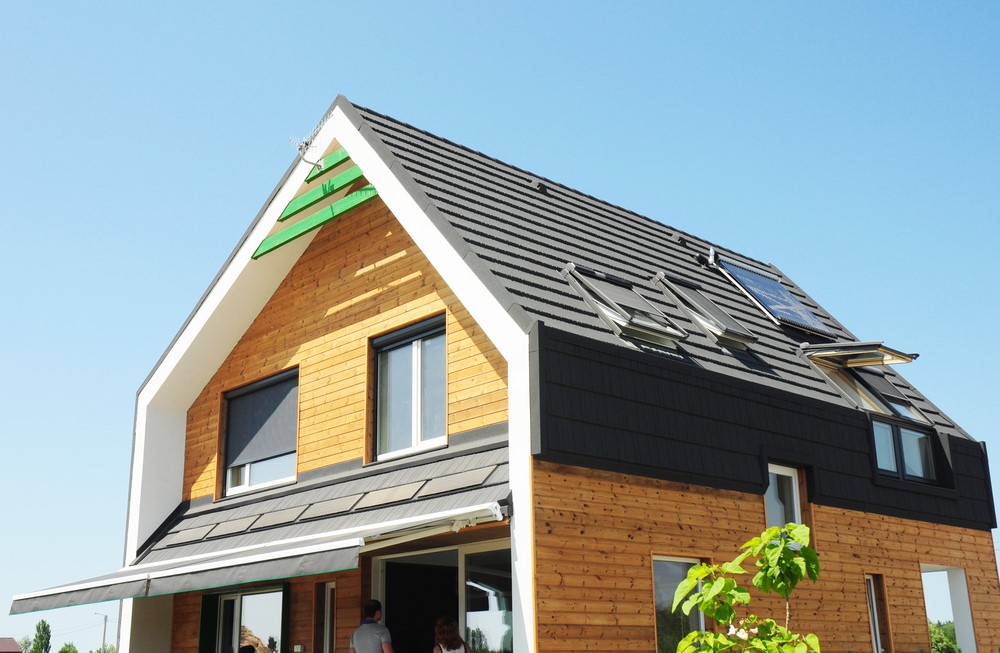
Did you know that it's possible to reduce your electricity bills thanks to a passive house? In this article, we'll tell you how they work and how you can spend less when setting up electricity in your new home.
How to register for electricity in a cheaper way?
Faced with the uncertainty of a new world where nothing can be predicted, we begin to look back and see that we have already experienced an unprecedented lockdown. This unusual period of the last century has led to exceptional situations, such as the drop in electricity prices of more than 50% and the ban on electricity disconnections during this time.
However, this hasn't brought real relief to households, as energy bills remain just as high. Therefore, more and more consumers are opting for energy savings, choosing efficient appliances or even passive houses, as we'll see below.
In addition to these options, it is also possible to save money by contracting the electricity and gas tariffs More economical. But how do you find these electricity or gas rates? Ideally, you should use an electricity tariff comparison tool to help you find the cheapest rates. You can also save money when setting up your home's electricity supply by choosing the power rating that best suits your needs. Think carefully about how many kilowatts you actually need so you don't pay more than necessary for the fixed portion of your bill.
And how much does it cost to set up electricity in a second-hand home? The connection fees are the same as for a new home. You pay per kilowatt of contracted power. If you want to know more about this, you can visit the following link:
http://enciclopediaespana.com/dar-de-alta-la-luz/precio/vivienda-segunda-mano/.
Saving energy with a passive house
Passive houses are those that aim to offer the same comfort and well-being while minimizing energy consumption to respect the environment. Below we explain how they work and how they save energy:
- Passive houses offer thermal insulation because they are built with materials that prevent heat loss from the inside to the outside. This way, our home won't be affected by weather changes, allowing us to save on heating and air conditioning.
- These types of homes have aerothermal systems that transform cold air into heat inside the house without emitting greenhouse gases.
- Passive houses are not only more sustainable and efficient, but they are also healthier, since thanks to their insulation they prevent the entry of dust, carbon dioxide, mites and other elements harmful to our health.
Did you find this information interesting? If you're interested in the topic, you can read this. article about passive houses.